

URA Ban on Strata Subdivision of Commercial Properties
Effective: 15 March 2022
Ban on Strata Subdivision in Key Locations
On 15 March 2022, the Urban Redevelopment Authority (URA) introduced new planning guidelines under Circular DC22-02 to curb the strata subdivision of commercial properties in strategic locations within Singapore’s Central Area. This move is aimed at improving the long-term upkeep and management of prominent commercial buildings, particularly those located in areas such as Orchard, Tanglin, the Central Business District (CBD), and precincts surrounding national landmarks like the Parliament House and Supreme Court.
The rationale behind this policy change stems from a growing concern over fragmented ownership in strata-subdivided commercial buildings. When ownership is split across multiple parties, building maintenance often suffers due to difficulties in reaching consensus on repairs, upgrades, or tenant curation. Over time, this can lead to a deterioration in building quality and hinder efforts to maintain a vibrant and well-managed tenant mix.
URA’s new rules will apply to both standalone commercial buildings and the commercial components of mixed-use developments, particularly those benefiting from recent government schemes like the CBD Incentive Scheme and the Strategic Development Incentive (SDI). These incentive programs aim to rejuvenate older developments and encourage higher-quality, integrated spaces. The latest measures ensure that such rejuvenated projects are maintained to a consistent standard well into the future.
The prohibition specifically targets commercial strata subdivision—affecting uses such as office spaces, retail shops, food and beverage outlets, medical clinics, and common spaces like public plazas (POPS). Notably, this policy does not introduce new restrictions on the subdivision of residential, hotel, or serviced apartment components, as those have already been tightly regulated under existing guidelines. Mixed-use buildings may still strata subdivide by use (for example, one strata lot for retail and another for office), as long as each component remains under unified control.
What This Means for Developers & Owners
For developers and owners, the key takeaway is that new developments, as well as redevelopments of existing buildings in affected zones, will no longer be allowed to strata subdivide commercial units for individual sale. Projects with provisional subdivision approvals granted before 15 March 2022 are exempt for now, but the rules will apply when those buildings are redeveloped in the future.
URA’s move represents a broader shift toward ensuring cohesive, high-quality environments in Singapore’s most visible and important commercial districts. By encouraging unified ownership and centralised management, the government aims to support better long-term building upkeep, improve tenant experiences, and maintain the city’s global reputation as a well-planned, liveable urban centre.

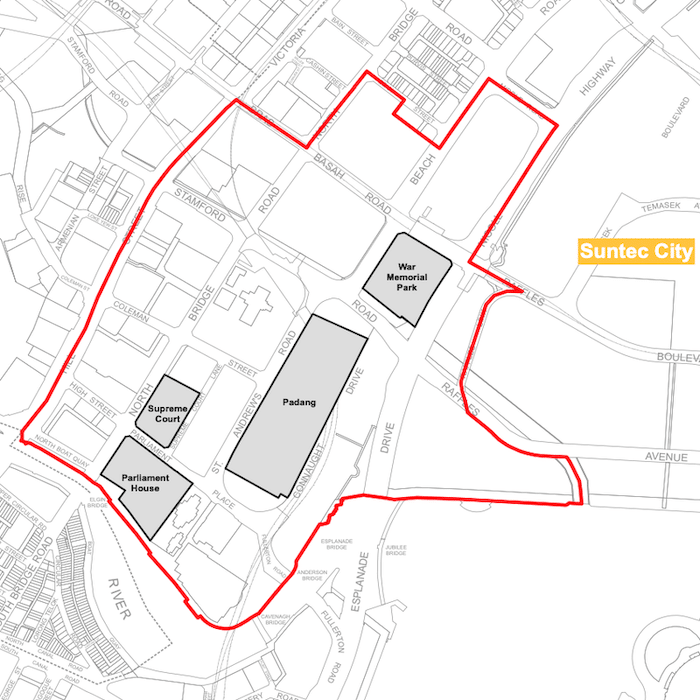
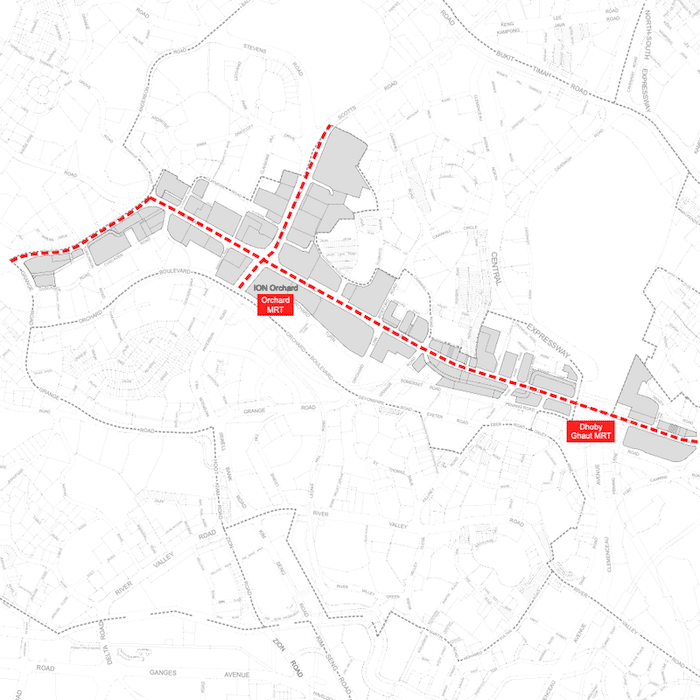

Supply Will Decrease Over Time
The most immediate impact is a reduction in future supply of strata-subdivided commercial units (e.g., individual office or retail units sold to multiple owners) in prime locations such as the CBD, Orchard, and key national precincts. Developers will no longer be allowed to build and sell strata-titled commercial spaces in these zones. Instead, new developments must remain under single ownership for their commercial components.
Existing strata properties that were approved before 15 March 2022 are unaffected for now, but over time, as these buildings get redeveloped (which they eventually will), they too will be subject to the new rule. This means that over the long term, strata commercial supply in the central zones will shrink.
Demand Will Likely Rise for Remaining Strata Units
On the demand side, this restriction creates scarcity, particularly for investors and SMEs who want to own their own commercial space in central areas. Since no new strata units can be built in these zones, the existing stock becomes more valuable. Investors who previously looked at newly strata-subdivided offices or shop units will now have fewer options.
This could lead to increased competition and upward pressure on prices for strata units that remain on the market, especially in prime locations. Some smaller businesses may be pushed toward fringe areas or suburban locations where strata subdivision is still permitted.
Looking to buy or selling your commercial property? Contact our sales team today!